Contents
- Foreword
- Introduction
- Context
- Benefits of a healthier weight
- Challenges
- Torbay Healthier Weight Framework overview
- Priorities
- Guiding principles
- Strategic Objectives (including local position and delivery)
- Appendix
Foreword
Our vision is for a Torbay that enables and supports all residents to have the opportunity to achieve and maintain a healthier weight
We want to help residents to achieve happy, healthy and fulfilling lives by shaping the places that they live and ensuring that unfair differences are addressed to give people the choices that they deserve. We want the next generation of children to grow up in a place where the food environment is nourishing and they have access to safe places to be active, whether on the school journey or places to play.
Adopting a compassionate approach helps us to recognise that body weight is only one dimension of health and that a healthy body can be a variety of shapes and sizes. Weight stigma acts as a barrier to achieving health and mental wellbeing and we need to make sure that all our conversations with residents consider this.
This framework aims to build on the work of the organisations promoting a fair food system, active environments and mental wellbeing, all of which contribute to achieving health creation and our residents having a healthier weight for our population. The implementation of this framework will take place through joint leadership in neighbourhoods, communities across the local authority areas over the next decade. We are committed to working with our communities and a range of sectors, including food, health, education, planning, transport, sport and leisure to achieve long term success.
Dr Lincoln Sargeant
Director of Public Health for Torbay
Introduction
Being a healthier weight is one of the most effective ways to reduce the risk of long-term health conditions such as diabetes, heart disease and cancer. We know the factors that contribute to unhealthy weight are complex and that every individual is different in how they respond to these factors. Our behaviours and lifestyles are influenced and driven by the environment around us, the culture we live in and our ability to make changes.
Unhealthy weight related illness and death, often linked to poor diets and sedentary behaviours, continue to increase nationally and in Torbay. We are at the tipping point where we need to take direct action to improve life opportunities for both our current and future generations. If current trends continue more people will die prematurely due to cancer, heart disease, liver disease and ill-health. Unhealthy weight also impacts negatively on our mental health, which in many cases starts from a young age and has life-long consequences and impacts.
This framework is not a short-term fix, and change is not going to happen overnight. It will be achieved through a range of approaches, interventions and partners working together to promote a healthier weight. It provides the foundation for conversations and actions in health, education, business, the voluntary sector and the community. It also builds on the progress already achieved in promoting a healthier weight.
Context
Torbay Healthier Weight Framework sets out a 10-year approach that builds on previous work to promote healthier behaviours and create healthier places to live. It acknowledges that health is broader than weight alone and that body weight is influenced by many complex and interacting factors. Therefore, taking a whole system and a compassionate approach are key to achieving the aims and objectives of the framework.
Policy
The Torbay Healthier Weight Framework supports the delivery of the following key strategic plans:
Torbay Council Corporate Plan, 2023-43
- Gaps in healthy life expectancy between affluent & deprived areas are reduced.
- People feel that their physical and mental wellbeing is as good as possible.
Torbay Joint Health and Wellbeing Strategy, 2022-26
- Good mental health.
- A good start to life.
- Supporting people with complex needs.
- Healthy ageing.
- Digital inclusion and access.
Torbay Food Strategy
- Good food movement.
- Healthy food for all.
National policies
In 1991 the UK government set the first obesity rate reduction targets for England. Since then, many strategies and policies have been published, yet 30 years later targets continue to be missed, and obesity levels continue to rise. The most recent policy set out by the government is Tackling obesity: empowering adults and children to live healthier lives (England 2020). This strategy recognises it is one of the greatest health challenges and that COVID-19 has made this even more important. Some key national policies are listed below:
- NHS Long Term Plan.
- Childhood Obesity: A Plan for Action.
- Tackling Obesity: empowering adults and children to live healthier lives.
- Food Strategy.
Benefits of a healthier weight
Achieving and maintaining a healthier weight offers a wide range of physical and mental benefits.
- Improved physical function
- Better mobility and flexibility
- Reduced joint pain and lower risk of osteoarthritis
- Improved respiratory function and reduced risk of sleep apnoea
- Enhanced mental and emotional well-being
- Higher self-esteem and body image satisfaction
- Lower risk of depression and anxiety
- Improved cognitive function and mood stability
- Increased energy and stamina
- More efficient circulation and oxygen use
- Better sleep quality
- Greater endurance for daily activities and exercise
- Longevity and quality of life
- Lower risk of premature death
- Higher likelihood of healthy aging
- Improved fertility and reproductive health
It also mitigates against certain adverse effects. For example, being overweight or obese increases the risks of:
- Heart disease and stroke: extra weight often raises blood pressure and cholesterol, two major risk factors for cardiovascular problems.
- Type 2 diabetes: obesity significantly increases the likelihood of insulin resistance, which can lead to diabetes.
- Certain cancers: there is a higher risk for cancers such as breast, colon, and kidney, among others.
- Increased cholesterol:
- Joint and mobility issues: extra weight puts stress on the joints, especially knees and hips, potentially leading to osteoarthritis.
- Sleep apnoea and breathing difficulties: fat deposits around the neck can narrow airways and disrupt breathing at night.
- Mental health concerns: depression, anxiety, and low self-esteem can be both a cause and a consequence of weight struggles.
Being underweight equally poses a risk to health. For example:
- Malnutrition: not consuming enough essential nutrients can lead to deficiencies in vitamins and minerals. This can cause fatigue, hair loss, dry skin, and dental issues.
- Weakened immune system: a lack of nutrients can impair immune function, making it harder to fight off infections.
- Osteoporosis: low body weight is linked to decreased bone density, increasing the risk of fractures and osteoporosis, especially due to insufficient calcium and vitamin D.
- Anaemia: iron and vitamin B12 deficiencies can lead to anaemia, causing fatigue and weakness.
- Developmental delays: in children and adolescents, being underweight can impair growth and development.
- Higher mortality risk: being underweight can sometimes be associated with a greater risk of early death than being mildly overweight depending on the individual’s health background.
Challenges
There a two of key challenges for Torbay Council in delivering this Healthier Weight Framework, unfair differences and food insecurity.
Unfair differences
Eating right and engaging in regular physical activity will lower the risk of becoming and unhealthy weight. But the choices made by residents in Torbay are often strongly affected by the family and community environments in which they live. Poorer living conditions (or living in areas of ‘inequality’) matter especially because they present many barriers to engaging in healthy behaviours. Decisions based on this inequality leads to greater levels of unhealthy weight in Torbay’s poorer neighbourhoods.
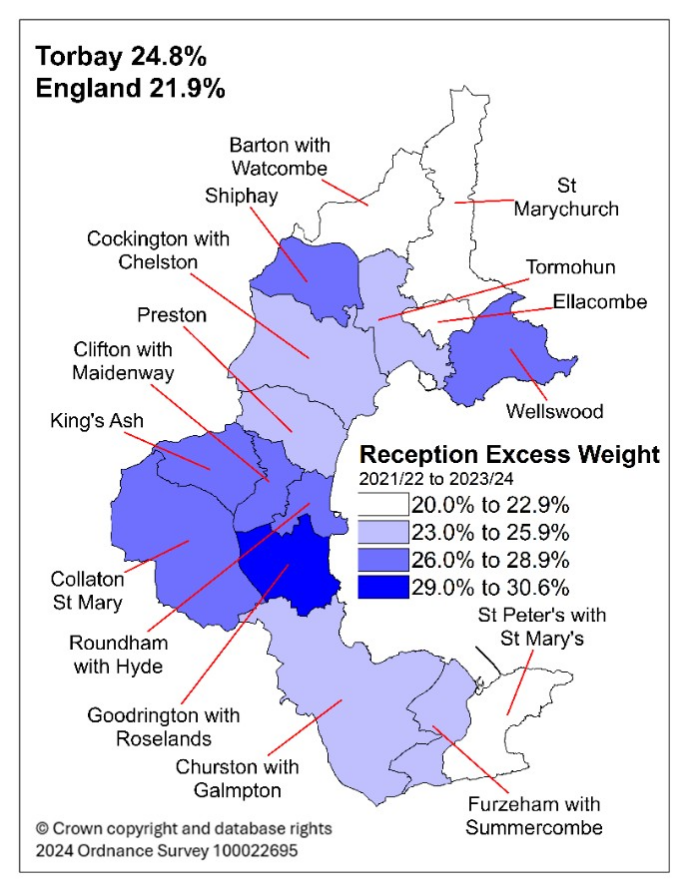
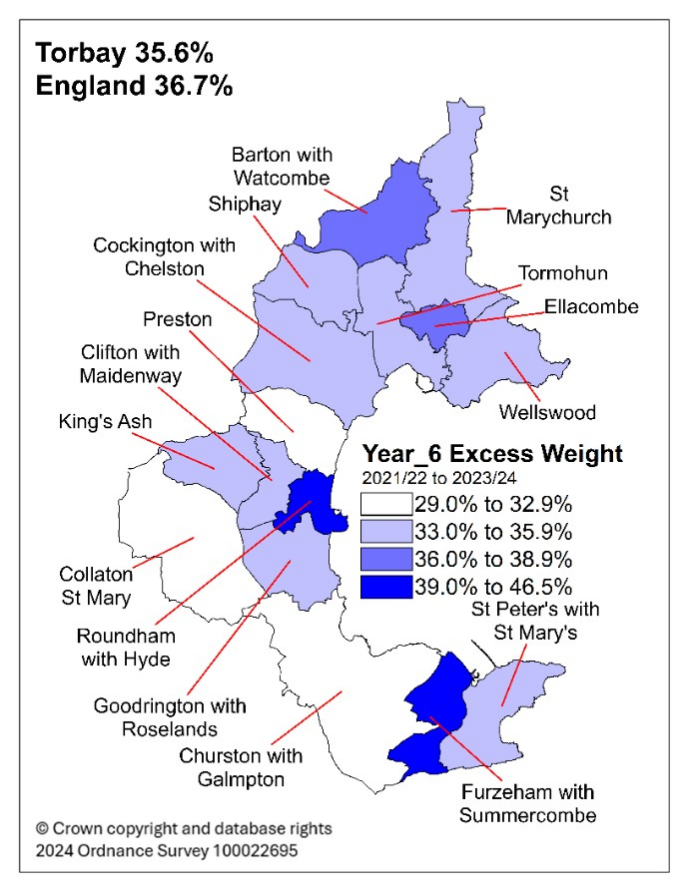
The National Childhood Measurement Programme (NCMP) measures the height and weight of children in Reception class (aged 4 to 5) and Year 6 (aged 10 to 11) to assess child weight, including underweight, overweight and obesity levels. It highlights this local inequality. For example, during NCMP years 21-24, the highest rate of overweight (including obese) children for Reception and Year 6 combined was 37.7% in a school in one of Torbay’s areas of greatest inequality, compared to 24.1% in another school in the least deprived area.
The following two figures illustrate the local inequality picture (reflected nationally) with greater levels of obese and overweight in Torbay’s areas of deprivation. For these figures, the term ‘excess weight’ is the same as overweight and obese.
Figure 1: Torbay NCMP inequality profile 2021/22 to 2023/24
Source: Office for Health Improvement and Disparities (OHID), Public Health Profiles
Factors contributing to greater levels of unhealthy weight in Torbay’s poorer neighbourhoods include:
Limited access to healthy foods
Poorer neighbourhoods often lack outlets offering fresh fruits, vegetables, and lean proteins. Instead, they may have more fast-food outlets and convenience stores that sell inexpensive, calorie-dense, and nutrient-poor foods.
Economic constraints
Healthier food options tend to be more expensive. Families with limited budgets often prioritize foods that are filling and affordable, which are typically high in fats, sugars, and refined carbohydrates. Families may also be unable to afford the cooking utensils and white goods such as ovens and fridges required to store and cook healthy food.
Stress and mental health
Chronic stress from financial insecurity, housing instability, and other hardships can lead to emotional eating and cravings for high-calorie comfort foods. Stress also affects hormones that regulate appetite and fat storage.
Limited opportunities for physical activity
Poorer neighbourhoods may accessible greenspace, recreational facilities or supporting school physical activity programs. Parents may also have less financial resource to support extra-curricular physical activities for their children.
Education and health literacy
Low levels of educational attainment are often associated with reduced awareness of the importance of good nutrition, as well as a lack of knowledge and confidence to cook, in turn influencing unhealthy food choices.
The Obesity Paradox
Interestingly, while poverty is associated with food insecurity, it can still lead to obesity. This is known as the "poverty obesity paradox" where limited access to food doesn't mean fewer calories, but rather poorer quality calories that contribute to weight gain.
Food Insecurity
Food insecurity is more likely among those who have a low income, are unemployed, have a disability or are a member of a black or minority ethnic group.
In 2021, it was estimated that in the Torbay local authority area 6.39% of the adult population experienced regular hunger due to insufficient food and 13.1% considered access to food a regular struggle. This compares to 2.8% & 11.85% for Exeter and 3.2% & 10.63% for Plymouth.
Food insecurity is a growing problem in the current economic climate. The use of food aid in the UK, particularly in the increased use of food banks has dramatically increased. It is widely reported that individuals and families who experience food poverty are more likely to eat a diet that is unhealthy, characterised by food that is higher in saturated fat, salt and sugar.
Additionally, they are more likely to eat processed foods that are both cheap and energy dense. Poor accessibility to affordable healthy foods, linked to several factors makes people who are already vulnerable more susceptible to experiencing food poverty. Factors such as closure of shops in deprived areas, out of town supermarket developments and poor transport links all contribute to poor access and affordability of healthy food.
Priorities
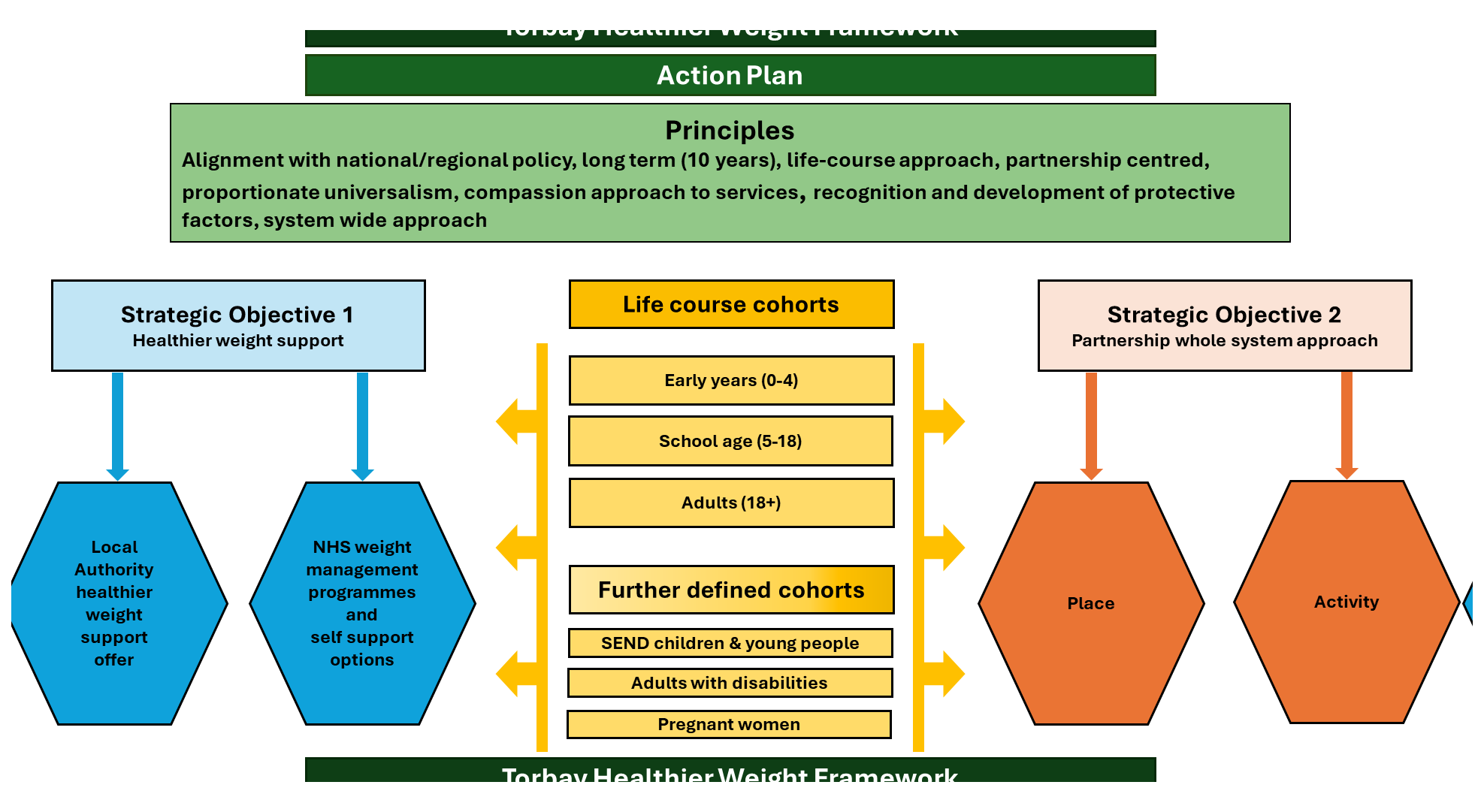
To support delivery of the Torbay Healthier Weight Framework, key priorities for each of the two strategic objectives have been identified.
Strategic Objective 1: Healthier weight support
- Support Torbay’s children and young people to develop, grow and to be a healthier weight.
- Ensuring all Torbay’s residents have access to the right information and the resources and confidence to make the choices that support a healthier weight – this includes choices around healthy food and physical activity.
Strategic Objective 2: Partnership whole system approach
- Design and implement healthier food environments.
- Help to provide food security for residents and enable them to manage and prepare food to provide nutritious meals cost effectively.
- Promote and support active lifestyles to encourage the population to move more, including the use of public transport, cycling, and walking.
- Building healthier workplaces that support employees to move more and to make healthier choices.
Guiding principles
Torbay Council will adopt a series of guiding principles to assist in achieving the ambitions and strategic objectives of the framework.
This will include adopting a long-term, 10-year framework to support the sustainable change required to help Torbay residents achieve and maintain a healthier weight with progress reviewed annually and reported to the Torbay Health and Wellbeing Board. The framework will be implemented in phases beginning at the start of the financial year in 2026. short-term 2026–2028 (2 years), medium-term 2028– 2031 (3 years), and long-term 2031-2036 (5 years).
Torbay Council will maintain a universal offer at the heart of the framework but recognise that there is a greater level of need in our poorer areas and will look to go further and faster where it is most needed.
Embracing innovation and adopting a life-course approach will also underpin the framework. A life course approach is a way of understanding health and well-being by looking at how various factors, biological, psychological and social, interact and influence individuals throughout their lives. Rather than focusing on a single stage (like childhood or old age), it considers how experiences at every phase, from prenatal development to older adulthood—shape health outcomes over time.
A further principle will be the recognition and promotion of protective factors against unhealthy weight, such as balanced diet, regular physical activity, supportive environments, positive childhood experiences, health education, and strong family and social support.
These factors will help Torbay residents to make and sustain healthy choices throughout the life course.
Torbay Council also recognises the importance of strong partnerships across statutory and voluntary sectors and will work collaboratively to overcome organisational boundaries and deliver innovative, community-informed solutions.
Strategic Objective 1: Healthier weight support
Torbay Council and partners will deliver a range of evidence-based, innovative and compassionate based interventions to provide access to the right support at the right time. As outlined in Figure 3, delivery of
Strategic Objective 1: Healthier weight support, will be across five themes:
- Antenatal and early years offer.
- Child and family healthier weight support offer.
- Healthier weight in schools.
- Adult healthier weight support offer.
- Diet and nutrition in care homes and domiciliary care.
Delivery will also be across four broad domains (outlined in the programmes, outcomes, indicators and targets section (see Appendix) :
- Breastfeeding.
- Weaning.
- Child/family healthier weight.
- Adult healthier weight.
Figure 3: Strategic Objective 1: Healthier weight support
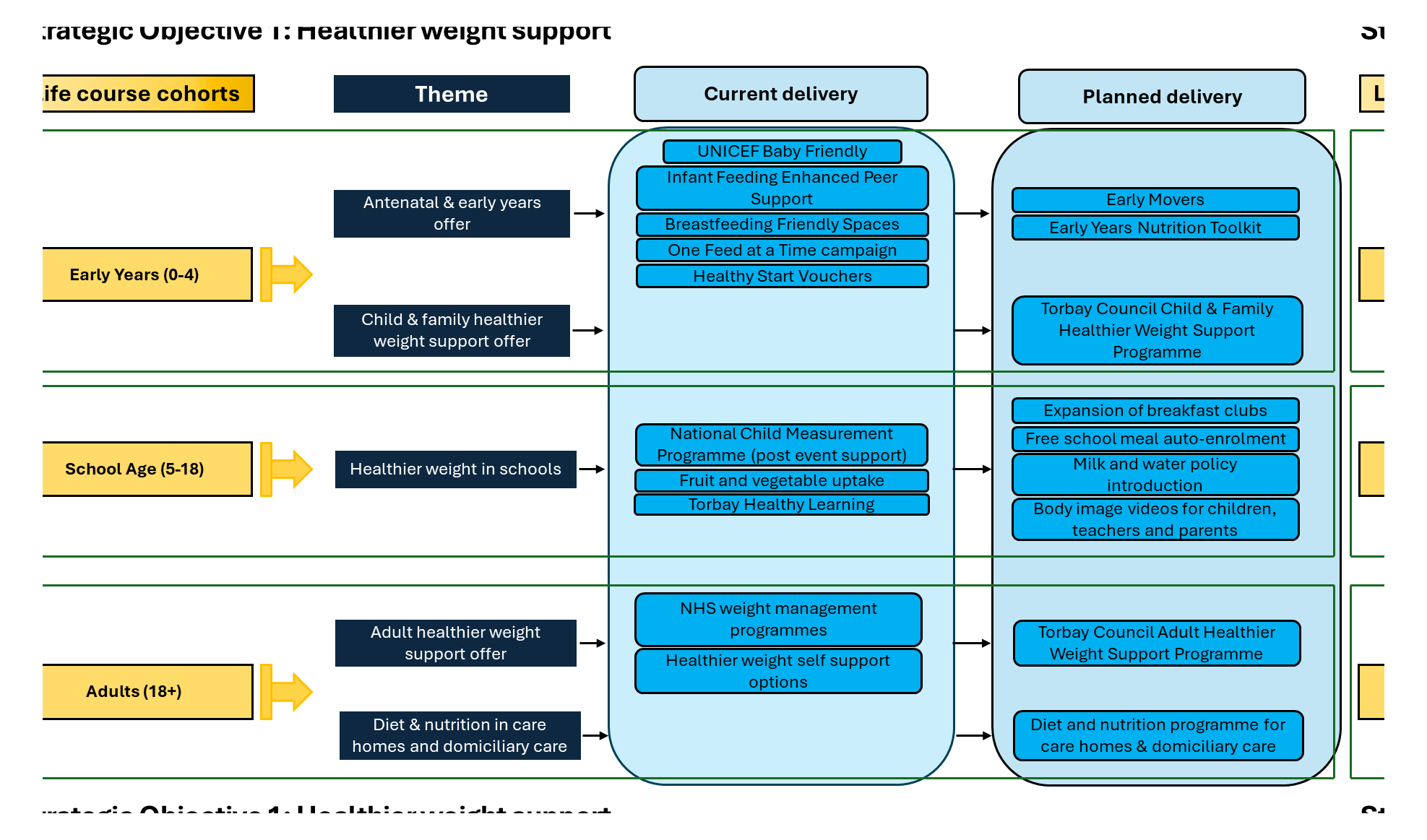
Accessible description for figure 3.
Objectives up to date at time of Framework design – see Action Plan for up to date planned and current delivery.
Life course cohort: Early Years (0-4)
Theme: Antenatal and early years offer
The World Health Organisation recommends exclusive breastfeeding for the first 6 months of a baby’s life, with continued breastfeeding, along with the introduction of appropriate complementary foods, up to 2 years of age and beyond.
The health benefits of breastfeeding for babies includes reduced risk of cardiovascular disease in adulthood, as well as less likelihood of becoming an unhealthy weight. Additional health benefits for mothers includes reduced risk of developing certain ovarian and breast cancers and a lower risk of developing diabetes and osteoporosis in later life.
It is vital therefore that Torbay Council equips parents with the knowledge and confidence to breastfeed as well as the timely and appropriate introduction of complementary foods. Torbay Council has a proven track record in this area – the efforts of our Public Health Nursing Team and partners leading to a noticeable improvement on our breastfeeding initiation and duration rates. Torbay Council will continue to build on this success through supportive programmes.
The local position on breastfeeding is:
There has been an increasing trend in Torbay for initiation of breastfeeding (baby’s first milk) with 75.4% of babies being breastfed at birth in 2023/24 compared to 2020/21 when this was 73%. Furthermore, this is better than the England average for 23/24 of 71.9%.
For breastfeeding prevalence at 6-8 weeks (duration). In 23/24 Torbay achieved a rate of 50.3%, comparable to the England value of 52.7%. There has been a slight improvement since the last data set in 22/23 and a significant improvement from the middle of the last decade when rates stood at 40%.
Current delivery
UNICEF Baby Friendly
The Public Health Nursing Team are proud to hold Gold Accreditation from the UNICEF Baby Friendly Initiative - a globally recognised programme that supports breastfeeding and parent-infant relationships. This accreditation reflects our commitment to delivering the highest standards of care and is maintained through regular assessments and quality assurance processes - ensuring the team and wider partners continue to uphold and improve best practices in infant feeding and relationship-building support.
Infant Feeding Enhanced Peer Support
The Infant Feeding Team associated with the Family Hubs Start for Life programme have developed and facilitate an enhanced peer support offer for mothers identified as wanting to breastfeed their babies, but who may face challenges. The programme offers peer support intervention from birth through to the first month after discharge through phone calls, text messages and is linked into the wider infant feeding support offer.
Breastfeeding Friendly Spaces
Torbay Council is developing Breastfeeding Friendly Spaces and support for businesses to support breastfeeding mothers back to work. Each Family Hub has a dedicated Breastfeeding space and Torbay Council and Torbay and South Devon NHS Foundation Trust have also developed spaces for women returning to work who want to continue to feed. A video is being produced for local businesses supporting women back to work and being breastfeeding friendly. The video and resource materials will be shared widely with local businesses.
One Feed at a Time campaign
In 2025 Hitch, a market research company, met with women in Torbay to hear the challenges facing women with breastfeeding. The report highlights the desires of women to feed, and what the primary obstacles are. From this report, the One Feed at a Time campaign was launched, with resource materials produced, including imagery of local women in local surroundings, promoting feeding in public, no matter how they choose to do so. The campaign seeks to remove the pressures of feeding and address the pressures some mothers report - acknowledging that breastfeeding can be hard and these challenges are widely reflected. The campaign sits across all of the infant feeding interventions across maternity services, Public Health Nursing and the Family Hubs.
Planned delivery
Early Years Nutrition Toolkit
Torbay Council will be an active participant in a new Office of Health, Inequalities and Disparities (OHID) group tasked with creating a new Southwest Early Years Nutrition Toolkit for areas of deprivation to support improvements in the level of nutrition in the poorest children in the region during early years. This group will use the Government’s recently launched Early Years Nutrition Guidance for Group and School-based Providers and Childminders in England (May 2025) to develop the toolkit – providing Torbay with an opportunity to strengthen delivery by our Public Health Nursing Team, Family Hubs and through outreach work. It is anticipated that the toolkit with have several benefits:
- Increase knowledge and skills in early years nutrition issues relating to the most deprived children.
- Improve access to high quality food and nutrition in early years settings.
- Address the barriers to support and resources available to the most deprived families in the Southwest
Theme: Child and family healthier weight support offer
Torbay Council will work with providers to deliver a range of innovative support options that provide the knowledge, skills, and support for children and families to make sustainable lifestyle changes.
Planned delivery
Child and Family Healthier Weight Support Programme
Torbay Council will work to create an easily accessible, evidence and best practice-based healthier weight support offer for families and children to equip those attending with the knowledge and tools to assist them in making sustainable changes that promote a healthier weight.
Life course cohort: School Age (5-18)
Theme: Healthier weight in schools
Torbay Council will work with schools to deliver a series of evidence based and innovative interventions to help pupils achieve and maintain a healthier weight as well as providing whole school staff and parents with the knowledge and confidence to support this process
The National Child Measurement Programme (NCMP) plays a crucial role in monitoring trends in child weight in England. The NCMP data collected from Torbay primary schools in 2023/24 compared to 2022/23 shows a worsening situation in Reception and an improving one in Year 6.
The local position on child weight is:
- 125 (11.2%) Reception children were classed as obese (including severe obesity) - this is an increase on the 2022/23 rate of 9.5% and higher than the national average of 9.6%.
- 310 (27.7%) Reception children measured were classed as overweight or obese. This is a significant increase on the 2022/23 rate of 21.1% and higher than the national average of 22.1%.
- In 2022/23, 0.8% of Reception children measured were found to be underweight. In 2021/22 and 2023/24 the numbers were small enough to be suppressed by OHID. The England value for 2023/24 was 1.2%.
- 260 (19.9%) Year 6 children were classed as obese (including severe obesity) - this is a decrease on the 2022/23 rate of 21.4% and lower than the national average of 22.1%.
- 445 (34.1%) Year 6 children measured were classed as overweight or obese. This is a decrease on the 2022/23 rate of 36.1% and lower than the national average of 35.8%.
- In 2023/24, 1.5% of Year 6 children measured were found to be underweight. This figure has been largely static since 2021/22. The England value for 2023/24 was 1.7%.
Current delivery
Fruit and vegetable uptake
Torbay primary schools are actively participating in the ‘Veg Power’ programmes: Eat Them to Defeat Them and Growing to Love. These initiatives provide valuable resources that schools use to engage with pupils and families to increase the amount of fruit and vegetables in their diet. Children are learning about growing fruits and vegetables, which increases their willingness to try healthier food options. Both parents and schools have reported a positive shift in attitudes towards healthy eating, along with an increase in fruit and vegetable consumption. Additionally, these programmes enhance education and pupils’ understanding of the food system.
Torbay Healthy Learning
Torbay Healthy Learning has continued to develop and engage with Torbay primary and secondary schools to support the health and wellbeing of pupils. The web-based support offer includes resources and guidance across multiple areas of health and wellbeing including nutrition, physical activity, oral health, emotional health and wellbeing.
Planned delivery
National Child Measurement Programme (post event support)
Torbay Council will ensure there is a physical activity offer available to all families where a child has been identified as overweight through the NCMP programme.
Breakfast Clubs
The Government are rolling out free and universal breakfast clubs across the UK. The first round started in April 2025 - Torbay was not included in this first phase but look forward to hearing when children in Torbay will be able to access the provision, which includes a healthy breakfast and childcare options
Free school meal auto-enrolment
Torbay Council is working to implement an auto-enrolment scheme for free school meals (FSM) - ensuring all eligible families can either access or out of the scheme by the October 2025 School Census deadline. Auto enrolment will increase the number of families and children who are eligible for free school meals and then access them. This will mean greater uptake for not only a healthy meal at school but also access to additional benefits such as the Holiday and Food (HAF) Programme, school uniforms, and school trips. Auto enrolment will also ensure that schools increase their pupil premium allocations – further supporting eligible pupils throughout their education.
Body image videos for children, teachers and parents
Poor body image is gaining increasing recognition as a public health issue. Often starting in childhood, it can negatively impact children’s experiences as they grow up, including their physical and mental health and wellbeing, and their engagement in school and social activities. Through insight and data collection, is clear that body image is a topic of concern in both primary and secondary schools in Torbay. Torbay Council will provide schools with a video resource to support children and young people to develop good body image and body acceptance, as well as helping create a school environment and culture to enable this.
The target group of children will be those making the transition from primary (Key Stage 1) to secondary school Key Stage 2 – in particular Years 5 to 8.
Life course cohort – Adults (18+)
The local position on adult weight is:
- At present it is estimated that 64.4% of the adult (16+) population is overweight, including obese. This is a better situation than 21/22 (68.9%), though there has been a steady increase in prevalence over the last ten years.
- For underweight the latest data (2022) shows a percentage underweight in men of 2%, with an average of 1.3% since the survey started in 1993 For women the percentage underweight is 2%, with an average of 2% since the survey started. There is a noticeably higher percentage return in women aged 16-24 however, the latest data showing 9% underweight with an average of 6.3% since the survey started
- Diabetes prevalence as recorded by GP practices in Torbay is significantly higher than national and regional rates. For 2023/24, 8.2% of those aged 17 and over on Torbay GP Practice lists were recorded as having diabetes as opposed to 7.7% across England. Since 2013/14, numbers for Torbay have increased from 7,831 in 2013/14 to 10,290 in 2023/24.
- 68% of Torbay respondents over the last 8 years said that they were physically active (150 minutes of moderate physical activity per week over the last 28 days), this is broadly similar to England but significantly below the Southwest figure.
- Maternal obesity increases the health risks for both the mother and child both during and after pregnancy and it is recognised as a high impact area in tackling obesity nationally. In 2018-19, 25.6% of pregnant women in Torbay were obese at the time of their booking appointment compared to the England value of 22.1%.
Theme: Adult healthier weight support offer
Torbay Council will deliver a range of innovative support options to provide the knowledge, skills, and support adults in Torbay need to make changes to help achieve and maintain a healthier weight. This will also involve the adoption of the compassionate approach to healthier weight – a philosophy that centres on empathy, respect, and holistic well-being and avoids judgment or shame. The approach recognises that weight is influenced by a complex interplay of genetics, environment, mental health and socioeconomic factors and centres on a number of guiding principles such as self-compassion, respecting body diversity, encouraging behaviours that support physical and mental health and the rejection of weight-based discrimination and stereotypes.
Current delivery
Healthier weight self-support options
A range of commercial services and digital self-support options are available for Torbay residents to help them achieve and maintain a healthier weight including structured support programmes such as those offered by Weight Watchers or Slimming World. Other examples include mobile phone apps that help people to set and monitor food and physical activity goals. NHS Devon also operates the online platform ORCHA which can help people to identify safe and reputable digital health tools.
NHS weight management programmes
Healthcare professionals can offer referral to a variety of NHS services to help adults achieve and maintain a healthier weight. These include access to the NHS digital weight management programme, Healthier You, the NHS diabetes prevention programme and a specialist weight management service. These offer personalised, structured, support to help adults in Torbay achieve and maintain a healthier weight and lessen the risks of developing related long-term conditions.
Planned delivery
Torbay Council Adult Healthier Weight Support Programme
Torbay Council will create an accessible adult support programme that will equip individuals with the knowledge and tools to achieve and maintain a healthier weight. An important part of this design process will be to work with experts in behavioural science, the voluntary and community sector as well as the local NHS to ensure that the programme is adapted and accessible to those with learning disabilities, a long-term mental health condition or who are pregnant or planning a pregnancy.
Theme: Diet and nutrition in residential care homes and domiciliary care
Diet and nutrition are important in residential care homes and domiciliary care settings because they directly impact residents’ health, independence, and quality of life. Good nutrition affects physical and mental health, emotional wellbeing and dignity and prevents malnutrition and dehydration. In the UK, Regulation 14 of the Health and Social Care Act requires providers to meet nutritional and hydration needs to avoid harm - Care homes must offer nutritious, appetising, and culturally appropriate meals that meet individual needs.
Planned delivery
Diet and nutrition programme for residential care homes and domiciliary care
Torbay Council will work with NHS Devon and the care home and domiciliary care sectors to design and deliver an appropriate programme of support.
Strategic Objective 2: Partnership whole system approach
There is no one individual, group or organisation that can deliver the breadth of this framework alone. Strong communication and partnership working will enable a more comprehensive, holistic, and better co-ordinated approach.
Torbay Council will work with local system partners to develop and deliver a shared whole systems approach to supporting healthy weight and reducing inequalities in healthy weight. This strategic objective will include:
- Taking a more proactive and preventative approach to address the environmental factors that influence body weight.
- Aligning stakeholders across the healthy weight system, to build shared ownership, identifying local issues and developing actions to collectively tackle them.
- Taking a place-based approach, working in areas where residents are at higher risk of not being able to achieve healthier weight
The infographic and examples below provide a snapshot of current and planned activity – details of further programmes and projects are contained in the action plan in the Appendix.
Life course delivery will be across four themes:
- Designing built and natural environments.
- Developing the food system.
- Enabling acting travel.
- Promoting physical activity (Torbay on the Move).
Delivery will also be across four broad domains (outlined in the programmes, outcomes, indicators and targets section (see Appendix):
- Healthy food.
- Physical activity.
- Active travel.
- Planning and transport.
Figure 4: Strategic Objective 2: Partnership whole system approach
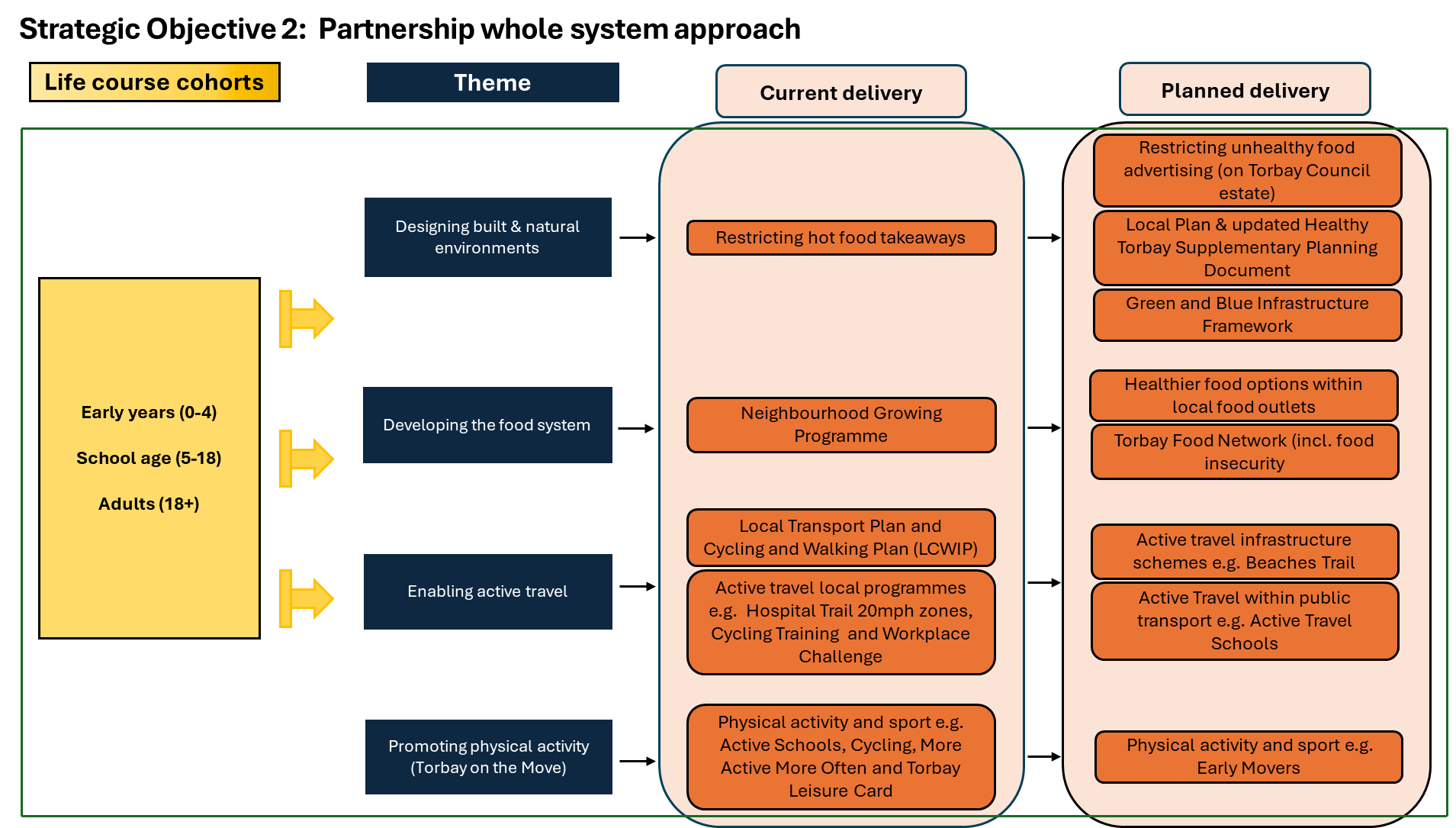
Accessible description of figure 4.
Objectives up to date at time of Framework design – see Action Plan for up to date planned and current delivery.
Life course cohorts – All
Theme: Designing built and natural environments
Torbay’s built and natural environments - the human-made and natural surroundings where people live, work, and play can significantly influence our ability to achieve and maintain a healthier weight by enabling positive health choices regarding physical activity, diet, and overall lifestyle.
Current delivery
Restricting hot food takeaways
Torbay Council use the local planning system to restrict the issue of licenses in areas close to schools and where there are existing concentrations outside town centres.
Planned delivery
Restricting unhealthy food advertising (on Torbay Council estate)
Advertising for unhealthy foods and drinks has long been associated with obesity and related long term conditions including diabetes and cardio-vascular disease. Torbay Council will look to restrict the advertising of unhealthy food on local authority owned digital screens and bus stops. This restriction will not ban any individual company from advertising but will limit what they advertise to food and drink that meet the national standards, contained in the Nutritional Profiling Model (NPM) in regard to high fat, sugar and salt (HFSS) products. In developing a local advertising policy to support this move, Torbay Council will be following national best practice and the example of other local authorities across England.
Local Plan and updated Healthy Torbay Supplementary Planning Document
Torbay Council is currently preparing a new Local Plan and Healthy Torbay SPD. It is anticipated that new SPD national policy and guidance will further influence on creating healthier environments, including the restriction of fast-food takeaways – in turn promoting a healthier weight.
Green and Blue Infrastructure Framework
In conjunction with partners, Torbay Council are exploring a new Green and Blue Infrastructure Framework. This will provide a refreshed evidence base, a long-term delivery plan and reset partnership working in relation to how we plan, deliver and manage green and blue spaces in Torbay, including for the benefit of public health.
Theme: Developing the food system
A food system refers to the entire network of processes and people involved in feeding a population. It includes everything from how food is grown to how it ends up on the plate. As such Torbay’s food system plays a crucial role in shaping dietary habits and can significantly contribute to achieving and maintaining a healthier weight.
Current delivery
Neighbourhood Growing Programme
Over the last few years, the Right to Grow campaign (the concept of freeing up unused local authority land for community growing) has gathered pace. Initially championed by charities such as Incredible Edible, many local authorities across the UK have recognised the benefits of the approach – not only in increasing the amount of healthy food at the dinner table through directly grown produce, but also increasing food knowledge, promoting the physical and mental benefits of growing and the confidence to buy fruit and veg via the weekly shop.
Torbay Council has embarked upon an ambitious programme to make available its unused land for such a purpose – the long-term aim is for there to be free plots across Torbay available for community group adoption and growing. The model, including a free, supported licencing process is currently underway in two pilot areas.
Planned delivery
Healthier food options within local food outlets
Torbay Council will look to work with local business forums to increase the level of healthier options available, especially through local takeaways.
Popping to the local takeaway to pick up a meal is something that many enjoy but eating out and buying takeaways is occurring more often, rather than this being seen as an occasional treat. Nationally, a fifth of adults and children eat takeaway meals at home once a week or more and 75% of people reported eating out or buying takeaway food in 2014 (compared to 68% in 2010).
Not all fast food is unhealthy, but it can be high in calories, saturated fat and salt, plus low in fibre, fruit and vegetables.
Torbay Food Network
Torbay has some of the highest levels of deprivation in the country. That's why it is important that Torbay Council has good provision in place to support people in times of crisis. As a member of Sustainable Food Places, Torbay Council are committed to ensuring that everyone has access to fresh affordable food.
Torbay Council’s recently published Food Strategy 2025-30 recognises that while national challenges like the cost-of-living crisis and climate change affect us all, local efforts can make a real difference when it comes to community access to good quality food. To help achieve this, Torbay Council supports the Torbay Food Alliance, a partnership of foodbanks and social supermarkets providing low-cost food to people when they need it the most.
Torbay Food Network, alongside the Torbay Food Alliance, will be one of the means to achieve the ambitions of the Food Strategy – creating positive change and providing an opportunity for test and learn programmes. The network will also support the Neighbourhood Growing Programme and residents experiencing food insecurity.
Theme: Enabling active travel
Active travel - such as walking, cycling, or using public transport can play a powerful role in achieving and maintaining a healthier weight by integrating physical activity into daily routines.
Current delivery
Local Transport Plan and Cycling and Walking Plan (LCWIP)
The Torbay LCWIP is an adopted document which sets out priority interventions to enable walking, wheeling and cycling in Torbay and a framework for their development. The new Devon and Torbay Local Transport Plan has been endorsed by Torbay Council and will go to the Devon and Torbay Combined County Authority for adoption. This document prioritises the delivery of transport options that are likely to be conducive to supporting a leptogenic (encouraging healthier weight) environment for the population. This document has been supported by a Health Impact Assessment (HIA) produced by Torbay and Devon Public Health teams including reference to healthier weight.
Active travel programmes
A wide variety of schemes form part of a delivery programme across Torbay ranging from public space improvements (The Strand), 20mph zones and crossings (Teignmouth Road and more). One of the key Torbay LCWIP routes - the Hospital Trail in Torquay, is receiving a major improvement with the introduction of a crossing and access link.
Planned delivery
Active travel infrastructure schemes
Torbay has a pipeline of active travel infrastructure schemes which are being developed. The development process involves feasibility, design, engineering, engagement and funding assembly. A major focus of this opportunity includes further developing the Beaches Trail schemes which form part of the LCWIP and provide major opportunities to enable active travel between Torquay, Paignton and Brixham.
Active Travel within public transport
Alongside infrastructure interventions, behaviour change, and capability activities are important. Torbay Council is keen to explore the technical feasibility of school streets and has allocated grant funding to carry out a study to assess the potential at all primary school sites in Torbay for a School Street intervention, and/or other near to school interventions such as new crossings etc. To compliment this work, funding has also been committed to deliver a ‘School Place’ challenge, like the workplace challenge, as well as other activation offers to enable children and young people, to travel more actively, with their friends and families
Theme: Promoting physical activity
Regular physical activity helps achieve and maintain a healthier weight by influencing the body’s energy balance (how many calories you consume versus how many you burn), as well as potentially providing significant improvements to overall physical and mental wellbeing. Torbay on the Move is Torbay Council’s long-term programme to increase physical activity levels. The programme aims to support and encourage more residents to be more active, more often.
Current delivery
Workplace Challenge
Torbay Active Workplace Challenge is an initiative that aims to get employees across Torbay moving more – whether it’s before, during, or after work hours. Throughout the four-week challenge, participants can manually enter daily walking steps on the app or sync with a tracker and win weekly prizes along the way. Teams aim to complete a set route, like completing the Southwest Coast Path, or virtually trekking across Great Britain.
Torbay Cycle Training offer
Torbay Council is committed to activating a community of cyclists by ensuring everyone has the confidence to enjoy the life skill, independence, and fun of cycling. Giving everyone the competence and confidence to cycle through a full Learn to Ride, Bikeability and Adult Cycle Confidence offer, the aim is to make cycling the norm for short journeys in and around Torbay.
More Active, More Often
More Active, More Often is a Torbay Council initiative designed to encourage participation in sport and physical activity. Awards of up to £2,000 are possible to help clubs, groups, and activity providers to widen their provision by offering new sessions for groups of participants that wouldn’t normally join. This programme shows Torbay Council’s commitment to supporting the health and wellbeing of those residents who wouldn’t normally engage in physical activity and sport as a means achieve and maintain a healthier weight.
Torbay Leisure Card
Torbay Leisure Card is free and offers Torbay residents on low incomes reduced entry charges to a wide range of indoor and outdoor sport and leisure activities.
Planned delivery
Active Travel Schools programme
The School Streets programme is a UK initiative aimed at improving safety, air quality, and active travel around schools by restricting motor vehicle access to roads outside school gates during drop-off and pick-up times. Torbay Council is keen to explore the technical feasibility of School Streets and has allocated grant funding to carry out a study to assess the potential at all primary school sites for the programme. To compliment School Streets, funding has also been committed to deliver a ‘School Place’ challenge, similar to the workplace challenge, as well as other activation offers to enable children and young people to travel more actively with their friends and families.
Active Schools programme
Through Torbay on the Move, Torbay Council is keen to support children and young people to improve their relationship with movement from an early age, including supporting children and young people with special educational needs and disabilities (SEND). A key supporting area of work is to explore our physical literacy offer and we are looking to commit funding to support the Youth Sport Trust Early Movers Programme in our Family Hubs, early years settings and primary schools.
Appendix
Action Plan: programmes, outcomes, national indicators and targets
Through this new ten-year Healthier Weight Framework, we aim to achieve long lasting, meaningful change. Success criteria will be a vital part of measuring that impact. In the table below several criteria are listed. These measures are available nationally and regularly updated – providing evidence of change and allowing us to benchmark our position against the England and Southwest values.
Programmes in blue relate to Strategic Objective 1: Healthier weight support. Programmes in orange relate to Strategic Objective 2 Partnership whole system approach
Highlight local performance data is included under Strategic Objective 1: Healthier weight support (pages 10-12)
Active Lives Survey indicators included as proxy measures. See Torbay Healthy Weight Framework Action Plan for local performance measures, milestones and project/programme narratives. This includes the Torbay Council adult, child and family healthier weight support programmes.
Torbay Joint Strategic Needs Assessment, 2025-26
Highlight local performance data is included under Strategic Objective 1: Healthier weight support (pages 10-12). Torbay Joint Strategic Needs Assessment, 2025 -26 (JSNA) contains more local data across a range of child and adult domains.
Joint Strategic Needs Assessment (JSNA) and Ward Profiles.
A JSNA is the means by which local leaders work together to understand and agree the needs of all local people, with the joint health and wellbeing strategy setting the priorities for collective action. Taken together they will be the pillars of local decision-making, focusing leaders on the priorities for action and providing the evidence base for decisions about local services. Department for Health (2011).
Phases of Torbay Healthier Weight Framework, 2026-36
Phase 1 (Year 1 and 2): 2026 to 2028
Short term
Characterised by:
- Sharing the vision, framework & action plan across the system
- Creating a virtual steering group
- Developing shared endeavour with framework stakeholders
- Identify gaps and develop solutions
- Workforce development and empowerment
- Quick wins possible
- End of Phase 1 review, learning and changes reflected in framework and action plan
Status: Emerging
Impact on success criteria
Low to moderate impact: Limited effect on trends
Phase 2 (Year 3 to 5): 2028 to 2031
Medium term
Characterised by:
- System changes embedded
- Shared endeavour in place with framework stakeholders
- Communication across system – reinforcing vision and staying on track
- Workforce capability increases
- System solutions improve
- Some medium to long term benefits realised
- End of Phase 2 review, learning and changes reflected in framework and action plan
System status
Status: Maturing
Impact on success criteria
Moderate impact:
- Slow down worsening trends
- Stop worsening trends
- Improving trends continue to improve
Phase 3 (Year 6 to 10): 2031 to 2036
Long term
Characterised by:
- System design, ambition and outputs reached and fully functioning
- Shared endeavour normalised with framework stakeholders
- Communication across the system informed through references to positive impacts
- Medium to long term wins realised
- End of Phase 3 review, learning and changes reflected in framework and action plan, plus decision regarding continuing beyond year 10
System status
Status: Performing
Impact on success criteria
High impact:
- Improving trends
More in About the council
- How the council works
- Councillors
- Leader of the Council
- Get in touch
- Voting and elections
- Consultations
- Finance and budgets
- Plans, policies and strategies
- Information and data
- Civic Mayor
- Pay an invoice
- Report fraud within or against the council
- Audit
- Achievements, Honours and Awards
- Climate Change
- Our Performance
- Greener Way for Our Bay