Contents
- Introduction from the Chief Executive
- Organisational Structure and Supply Chains
- High-risk activities
- Responsibility
- Policies and Procedures
- Supply chain due diligence
- Partnership Working
- Effectiveness and Key Performance Indicators
- Training
- Awareness-raising programme
- Our effectiveness in combatting slavery and human trafficking
Introduction from the Chief Executive
As a public sector organisation, an employer, community leader and a procurer, we are committed to taking a preventative approach to modern slavery and human trafficking within our business activities. This includes co-operating with partners and between our own departments, to work towards the disruption of such activities.
This statement explains how we work to understand all potential modern slavery and human trafficking risks related to our activities. It also shows the measures we put in place to prevent modern slavery or human trafficking in our own activities and supply chains.
This Statement is made according to section 54(1) of the Modern Slavery Act 2015 and constitutes our slavery and human trafficking statement for the financial year ending 31 March 2027.
We support:
- the implementation of Section 54 of the Modern Slavery Act 2015, which consolidates slavery and trafficking offences, encompassing tougher penalties and sentencing rules and greater support for victims; and
- the Government's objectives to eradicate modern slavery and human trafficking
We expect our subsidiary companies, partners, contractors, suppliers and our staff falling in scope of this legislation to be aware of and comply with the requirements of the Modern Slavery Act. To support this, we will have and will continue to implement communication and education programmes which will highlight the requirements of the Act, high risk areas in Torbay and the right referral mechanisms.
Organisational Structure and Supply Chains
This statement covers our activities as a local authority purchasing and providing local government services. We have over 1,400 employees and operate in Devon, England. The statement covers direct employees of the council, agency workers engaged through our framework agreement; and services delivered on behalf of the council by its subsidiaries, third party organisations and their supply chains. Our supply chains cover an extensive range of contracts with external providers involving the supply of goods, services and works.
High-risk activities
We risk assess our activities to establish whether any are high-risk in relation to slavery or human trafficking. Any concerns should be raised with the Monitoring Officer.
As a result of our existing risk analysis work, we consider that we currently have no high-risk activities. We acknowledge that modern slavery can occur throughout supply chains and we will continue to be vigilant to ensure risks are identified and addressed.
Responsibility
We have a role as an employer, community leader and procurer with responsibility to safeguard people within our communities.
This extends responsibilities to Adult Social Care, Children's Social Care, Housing, Corporate Procurement, Human Resources as well as Community Safety. We work closely with Devon & Cornwall Constabulary and other enforcement agencies as appropriate to share intelligence and work collaboratively to address issues relating to modern slavery or human trafficking.
We are committed to making sure that there is no modern slavery or human trafficking in our supply chains or in any part of our business. This Modern Slavery Statement reflects our commitment to acting ethically and with integrity in all our business relationships. This includes implementing and enforcing effective systems and controls to ensure slavery and human trafficking is not taking place in our supply chains.
Policies and Procedures
We operate the following Policies that describe our approach to the identification of modern slavery risks and steps to be taken to prevent slavery and human trafficking in their operations.
- Whistleblowing Policy – we encourage workers, customers and other business partners to report any concerns related to the direct activities, or the supply chains of the council. This includes circumstances that may give rise to an enhanced risk of slavery or human trafficking. Our procedure is designed to make it easy for workers to make disclosures without fear of retaliation.
- Code of Conduct for Employees – our code makes it clear to employees the actions and behaviour that is expected of them when representing the council. We strive to maintain the highest standards of employee conduct and ethical behaviour when managing the supply chain.
- Recruitment/Agency Workers Policy – we aim to use only agency workers recruited through suppliers on the council's standing list agreement. Where this is not possible we will undertake appropriate due diligence checks on any other agency worker suppliers used. New workers are thoroughly and properly vetted for their eligibility to work in the UK in accordance with Home Office and Cabinet Office security guidelines, as appropriate.
- Pay and working‑conditions – our policies ensure workers are paid fairly, treated safely, and protected from exploitation. By guaranteeing living wages, transparent pay, safe workplaces, reasonable hours, we remove the vulnerabilities that allow forced labour to take hold.
- Acceptable‑behaviour policy - supports us by preventing the abuse, intimidation and discrimination that can make workers vulnerable to coercion or control. By setting clear expectations for respectful conduct and providing safe ways to report mistreatment, it creates a culture where exploitation is less likely to occur. This helps ensure workers feel safe, empowered and protected, which is essential to preventing the conditions in which modern slavery can take hold.
- Safeguarding Children and Vulnerable Adults Policy - our Safeguarding Policy sets out our duty to spot signs of potential abuse amongst children and vulnerable adults, which may include signs of modern slavery or human trafficking. We work with our neighbouring local authorities and regulators (CQC and Ofsted) to ensure we share intelligence about possible concerns related to our commissioned care providers and modern slavery.
Supply chain due diligence
Our approach to procurement encourages fair pay and working conditions in our supply chain and eliminate modern slavery and human trafficking. These processes are documented on our website and internally via our intranet page for all our staff. In addition, we use Supplier Conditions of Participation to ensure the organisations we contract with adhere to the highest standards of ethics. Where suppliers are appointed through a competitive tendering process, relevant organisations are required to self-certify that they have complied with the requirements of the Modern Slavery Act 2015 and award of a contract is conditional on them being able to evidence this.
Partnership Working
We are part of the Safer Torbay partnership working with Devon and Cornwall Police and other agencies and with partners across the South-West to develop a collaborative approach to tackling the issue of modern slavery.
Strategic direction for partnership working is through the Devon and Cornwall Anti-Slavery Partnership. This has the strategic aim of ensuring modern slavery and human trafficking is considered as daily business. We are part of this partnership which is working to increase knowledge and understanding of modern slavery; implement best practice and increase reporting.
We are developing a Modern Slavery policy to support delivery of obligations under both the Modern Slavery Act 2015 and the Procurement Act 2023.
Effectiveness and Key Performance Indicators
We consider the overall risk level to be low based on our current supply chains, including those operating both within and outside of the UK.
Although we have suppliers from outside the UK, these are not considered to be involved in high-risk areas of activity.
However, as part of our initiative to identify and mitigate risk, we will:
- require all HR professionals to be suitably qualified in relation to recruitment procedures and offer training in recruitment and interviewing techniques
- require recruiting managers to have undertaken our recruitment training
- have in place appropriate procurement procedures and ensure that all contracts with external providers have appropriate clauses
- keep under review supply chain and contract procedures
- ensure that in carrying out statutory functions, our staff are aware of potential risks and have clear reporting lines
- ensure that all staff have completed the mandatory Safeguarding training with specific training on Modern Slavery and Human Trafficking, and review this regularly.
We have in place systems to:
- identify and assess potential risk areas in our supply chains
- mitigate the risk of slavery and human trafficking occurring in our supply chains
- monitor potential risk areas in our supply chains
- protect whistle blowers.
If and when Modern Slavery and human trafficking is identified by staff, this is collated by Safer Communities and reported to the Adult Social Care Overview and Scrutiny Board.
Training
To ensure a high level of understanding of the risks of modern slavery and human trafficking in our supply chains and our business, we provide training and guidance to all our staff.
We have introduced a new suite of mandatory online training and guidance for staff involved in procuring goods, services and works and managing contracts. This includes:
- understanding Procurement – providing underpinning knowledge in relation to our statutory and legal obligations in relation to external spend
- advanced Procurement – in depth learning on how to undertake a procurement process
- advanced Contract Management – in depth learning on how to manage contracts
- as part of the implementation of our Modern Slavery Policy, we will be developing guidance and further training modules for our staff. This will cover the latest information regarding modern slavery and human trafficking. Further training is being provided under our Manager’s Learning and Development Framework.
Awareness-raising programme
As well as training staff, we will raise awareness of modern slavery issues by posting information on our intranet and in Staff News bulletins on a quarterly basis. Modern Slavery information is also part of our staff induction for new employees. As part of wider awareness raising activity, we will be working with public transport providers to ensure their drivers are aware of modern slavery and human trafficking and how to report.
We will raise awareness with our residents, suppliers and the public by posting information on our website, including information on how to report suspected slavery.
Our effectiveness in combatting slavery and human trafficking
We use the following to measure how effective we have been to ensure that slavery and human trafficking is not taking place in any part of our business or supply chains:
- monitoring complaints
- monitoring training needs
- feedback through Commercial Services reporting mechanisms
This Statement will be reviewed and updated annually.
Planned Developments
We will be developing a Modern Slavery policy to support delivery of our obligations under both the Modern Slavery Act 2015 and the Procurement Act 2023. This will set out how we identify, mitigate and monitor the risk of modern slavery in our activities and supply chains. This will consider best practice set out in this Procurement Policy Note on Tackling modern slavery in government supply chains.
As part of the implementation of our Modern Slavery Policy, we will be developing guidance and further training modules for our staff and Managers. This will cover the latest information about modern slavery and human trafficking.
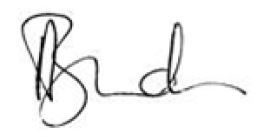
ANNE-MARIE BOND
CHIEF EXECUTIVE OF TORBAY COUNCIL
Date: 26 June 2026
More in About the council
- How the council works
- Councillors
- Leader of the Council
- Get in touch
- Voting and elections
- Consultations
- Finance and budgets
- Plans, policies and strategies
- Information and data
- Civic Mayor
- Pay an invoice
- Report fraud within or against the council
- Audit
- Achievements, Honours and Awards
- Climate Change
- Our Performance
- Greener Way for Our Bay
- Customer Services and Call Centre