Try to establish a routine of three meals with planned snacks and stick to this daily. The consistency will support any anxiety and help the child to understand routines. Use visuals such as a timetable or a now and next approach.
Many children do not want their foods touching so plates with separate sections can be good for keeping foods apart.
Messy play with food is an important part of desensitising food and offers a chance to explore using all the senses without the pressure to eat. Start with dry ingredients.
- Try to provide a space to eat the meal which is quiet and calm.
- Try dimming the lights down.
- Try playing background music such as nursery rhymes or a favourite Tonie song/story.
- Using a tablet to play your child’s favourite TV programme may help distract and calm them.
If your child struggles to sit still, try a wobble cushion to sit on or to put their feet on for some sensory feedback.
Before lunch/dinner time allow your child to release energy either by jumping on a trampoline, running around outside or some other form of physical activity.
- Use a sand or oil timer to encourage brief moments of sitting.
- Keep snacks hidden away so that your child cannot help themselves.
Safe foods should always be available at each mealtime and never hide new foods in the safe foods.
Any new foods should be introduced on a separate plate starting with it out of reach but in view of the child; gradually bringing it nearer each mealtime.
It can take weeks to except a new food and 10-20 tastes before it is excepted.
Take any uneaten food away after 20 mins with no comment. Do not put pressure on your child to try anything new.
After your child reaches 1 year, limit milk input to 600ml a day and use a beaker instead of a bottle.
- Use visuals to support around mealtimes.
- Look at photos of food and drink with your child, menus etc
- Let your child help put away the shopping.
- Decorate biscuits/cookies.
- Do some baking together.
- Wash and dry fruit and vegetables.
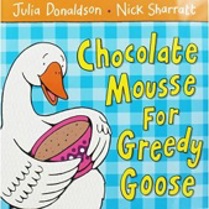
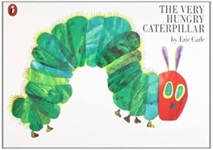
Share stories together that talk about food; some good ones are: Chocolate moose for greedy goose, The Tiger who came to tea and The very hungry caterpillar.

Further info:
- www.beststartinlife.gov.uk - has recipe and meal ideas
- www.fledglings.org.uk – adaptions to purchase to support with eating
- www.healthystart.nhs.uk – help to buy food, milk and vitamins for families with children up to four years old
- www.nhs.uk/healthier-families/ - games and recipes
Contact Family Information Service
More in Children and families
- Services and support
- Private fostering
- Peninsula Commissioning and Procurement Partnership
- Our Ways of Working
- Fostering
- Home learning environment and early years
- UNICEF Child Friendly Community
- Participation groups for young people
- Torbay Safeguarding Children Partnership Training
- Corporate Parenting
- Care Experienced local offer
- Corporate Parenting Strategy 2025/28
- Ofsted inspection 2026
- World Social Work Day 2026
- Best Start in Life
- Torbay Family Hubs
- Healthy Lunchboxes and Eating Well